Skip to content
As HVAC professionals at Envigaurd, we often encounter questions about the various components that make heating, ventilation, and air conditioning systems work efficiently. One critical yet frequently overlooked component is the damper. Understanding dampers in HVAC systems is essential for anyone looking to optimize their indoor climate control, improve energy efficiency, or ensure proper safety compliance.
What Is a Damper in HVAC?
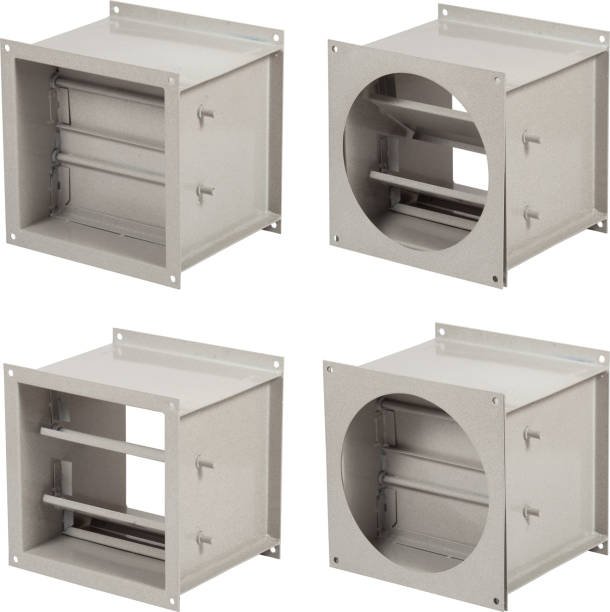
Dampers in HVAC systems are mechanical devices installed inside ductwork to regulate, control, or block the flow of air. They play a vital role in zoning, safety, energy efficiency, and temperature balance in residential and commercial buildings. Think of a damper as a valve for air—just as you’d use a valve to control water flow in plumbing, dampers control airflow through your duct system.
A damper is essentially a movable plate inside the HVAC ductwork that adjusts the airflow to different areas of a building. These devices help direct conditioned air where it’s needed most, isolate sections of ductwork when necessary, maintain optimal system pressure, and ensure safety during fire emergencies.
Core Functions of HVAC Dampers
The versatility of dampers makes them indispensable in modern HVAC design. Here’s what they do:
Regulate airflow in ducts – Dampers control how much air reaches different zones, preventing some areas from being over-conditioned while others remain uncomfortable.
Improve zoning control – By dividing your building into zones with independent temperature control, dampers enable personalized comfort and significant energy savings.
Enhance AC efficiency – Properly balanced dampers ensure your system doesn’t waste energy cooling or heating unoccupied spaces.
Prevent fire spread – Fire dampers automatically close during a fire emergency, containing flames and smoke within fire-rated compartments.
Reduce noise and vibration – Specialized dampers and vibration absorbers minimize the operational sounds that can make HVAC systems disruptive.
Maintain indoor comfort – By ensuring consistent airflow distribution, dampers eliminate hot and cold spots throughout your building.
Types of Dampers in HVAC Systems
At Envigaurd, we work with a wide range of damper types, each designed for specific applications and performance requirements. Let’s explore the most common types you’ll encounter in modern HVAC installations.
1. Fire Dampers
Fire dampers are life-safety devices installed in ducts passing through fire-rated walls, floors, or ceilings. When exposed to high temperatures during a fire, these dampers close automatically to prevent fire and smoke from spreading through the ductwork to other areas of the building. Fire dampers in ductwork are mandatory in most commercial buildings and many residential applications to meet building codes and fire safety regulations.
These critical safety components typically feature a fusible link that melts at a specific temperature (usually around 165°F), triggering the damper to close. Regular inspection and testing of fire dampers HVAC systems is essential—many jurisdictions require annual or periodic testing to ensure they’ll function properly during an emergency.
2. Motorized Dampers (Automatic Dampers)
Motorized dampers represent the modern evolution of HVAC control. These dampers open and close using an electric actuator connected to your building’s automation system or thermostat. Motorised dampers HVAC systems provide precise, automated control that responds to real-time conditions without manual intervention.
In advanced zoning systems, automated HVAC dampers work in concert with multiple thermostats to deliver conditioned air only where it’s needed. When a zone reaches its target temperature, the corresponding damper closes, redirecting airflow to zones that still need conditioning. This intelligent distribution dramatically improves energy efficiency and comfort. Motorized dampers for ductwork are increasingly popular in smart home installations where integration with home automation platforms is desired.
3. Volume Control Dampers (VCD)
Volume control dampers are the workhorses of HVAC system balancing. These adjustable dampers allow technicians to fine-tune airflow volume in different branches of the duct system, ensuring each room receives the appropriate amount of conditioned air. HVAC VCD installations are critical during system commissioning and balancing.
An air duct valve of this type typically features a handle or quadrant that indicates the damper’s position, making it easy for technicians to document settings during balancing. Properly adjusted ductwork dampers eliminate pressure imbalances that can cause noise, reduced efficiency, and comfort problems.
4. Zone Dampers
Zone dampers are specifically designed for multi-zone HVAC applications where different areas require independent temperature control. These HVAC zone dampers work with zone control panels and multiple thermostats to create customized comfort zones throughout a building.
Zone dampers for residential HVAC systems have become increasingly affordable and sophisticated. Smart zone dampers can even learn occupancy patterns and adjust automatically, optimizing both comfort and energy use. Whether you’re looking to avoid heating unused guest rooms or want different temperatures on different floors, zone control dampers provide the solution.
5. Manual Dampers
Despite the rise of automation, manual dampers HVAC installations remain common in simpler systems or as backup control devices. These dampers are operated manually using a lever or handle accessible from outside the duct. While they lack the convenience of motorized systems, manual dampers are reliable, require no power, and never fail due to electrical issues.
Manual dampers are often used as volume control devices in systems where airflow requirements don’t change frequently. They’re also common in residential forced hot air zone dampers setups where seasonal adjustments are sufficient.
6. Backdraft Dampers
Backdraft dampers serve a specialized but important function: they allow air to move in one direction while preventing reverse flow. These dampers are essential in exhaust systems, preventing outside air, odors, or pests from entering through exhaust ducts when fans aren’t running. Gravity causes the damper blades to close when there’s no positive airflow, providing a passive but effective seal.
7. Butterfly Dampers
Butterfly dampers feature a circular design ideal for round ductwork. A central blade rotates on an axis to control airflow, similar to a butterfly valve in plumbing. These ac duct dampers provide tight shutoff and excellent throttling control in a compact package. They’re commonly found in both air conditioning duct dampers applications and ventilation systems.
8. Inline Duct Dampers
Inline dampers duct installations are straightforward control devices placed inside straight sections of ductwork. These dampers provide additional control points for system balancing and can be either manual or motorized. Inline duct dampers are particularly useful when you need to add control to existing ductwork without major modifications.
9. Diverter Dampers
An HVAC duct diverter redirects airflow between two different paths. Rather than simply restricting flow, diverter dampers actively channel air from one duct to another. These are useful in applications where you want to alternate between different air sources or direct airflow to different areas based on operating conditions.
10. Vibration & Noise Dampening Accessories
While not traditional airflow control devices, vibration dampeners play a crucial role in HVAC comfort. A vibration absorber HVAC installation between equipment and ductwork prevents the transmission of compressor and fan vibrations through the duct system. HVAC duct vibration dampeners significantly reduce operational noise, creating quieter indoor environments.
Applications of HVAC Dampers
Understanding where and how dampers are applied helps appreciate their versatility. At Envigaurd, we incorporate dampers into virtually every system we design and install.
Air conditioning duct systems benefit from dampers that balance airflow and enable zoning. Air conditioning dampers ensure cool air reaches every corner of your space without over-cooling areas with less heat load.
Ventilation and exhaust systems rely on dampers to control fresh air intake and exhaust volume. Backdraft dampers prevent unwanted air infiltration when ventilation fans are off.
Commercial HVAC ductwork incorporates sophisticated damper networks for precise climate control across large, multi-zone facilities. Commercial HVAC dampers often integrate with building automation systems for optimal performance.
Residential zone-controlled HVAC uses zone dampers to create independent temperature zones, eliminating the “one-size-fits-all” limitation of traditional single-zone systems. Residential zone dampers deliver personalized comfort while reducing energy waste.
Hot air heating systems employ forced hot air zone dampers to distribute heated air efficiently, preventing overheating in some rooms while others remain cold.
Benefits of Using Dampers in HVAC Systems
The investment in properly designed and installed dampers pays dividends throughout your HVAC system’s lifetime. Here’s what you gain:
Improved energy efficiency tops the list. By directing conditioned air only where needed and allowing independent zone control, dampers can reduce HVAC energy consumption by up to 30%. You’re not wasting money heating or cooling empty spaces.
Better comfort and temperature balance eliminates hot and cold spots. No more situations where the bedroom is freezing while the living room is too warm. Dampers enable precise distribution that matches each area’s unique thermal characteristics.
Enhanced zoning control provides the flexibility modern buildings demand. Different occupants have different comfort preferences—dampers make it possible to accommodate everyone without compromise.
Fire safety and code compliance isn’t optional. Fire dampers in ductwork are required by code in most commercial applications, and they provide critical protection that can save lives and property during fire emergencies.
Reduced noise and vibration creates more pleasant indoor environments. Properly selected and installed HVAC vibration dampers and properly balanced volume control dampers minimize the whistling, rumbling, and rattling that plague poorly designed systems.
Higher system longevity results from balanced airflow. When dampers properly distribute air, your HVAC equipment doesn’t have to work as hard. Reduced strain means fewer repairs and longer equipment life.
Conclusion
Dampers are the unsung heroes of HVAC systems—working quietly behind the scenes to optimize comfort, efficiency, and safety. Whether you’re planning a new installation, upgrading an existing system, or simply trying to understand why some rooms in your building are uncomfortable, understanding dampers is key.
At Envigaurd, we believe that proper damper selection, installation, and balancing are fundamental to HVAC system performance. From simple manual dampers to sophisticated smart zone dampers integrated with building automation, we have the expertise to design and implement damper solutions that meet your specific needs.
If you’re experiencing comfort issues, high energy bills, or simply want to explore the benefits of HVAC zoning, contact our team. We’ll assess your system, recommend appropriate damper solutions, and ensure your HVAC system delivers the performance and efficiency you deserve.
Frequently Asked Questions About HVAC Dampers
What are dampers in an HVAC system?
Dampers are mechanical devices installed in ductwork that control, regulate, or block airflow. They’re essential components for zoning, balancing, safety, and efficiency in heating, cooling, and ventilation systems.
How do duct dampers work in air conditioning systems?
Duct dampers use movable blades or plates that pivot or slide to restrict or allow airflow. In automated systems, actuators position the dampers based on signals from thermostats or control systems, while manual dampers require physical adjustment.
What is the purpose of fire dampers in HVAC ductwork?
Fire dampers prevent fire and smoke from spreading through ductwork into other building areas. They automatically close when exposed to high temperatures, maintaining the integrity of fire-rated walls and barriers.
Are motorized dampers better than manual dampers?
Motorized dampers offer convenience, precision, and integration with smart controls, making them ideal for dynamic zoning applications. Manual dampers are simpler, more reliable in their basic function, and don’t require power. The best choice depends on your application, complex zoning benefits from motorization, while simple seasonal adjustments may only need manual control.
How do zone dampers improve HVAC zoning?
Zone dampers enable independent temperature control in different areas by opening and closing to direct airflow where it’s needed. This eliminates the limitation of single-zone systems where one thermostat controls the entire building.
What is a VCD in HVAC systems?
VCD stands for Volume Control Damper. These adjustable dampers allow technicians to balance airflow throughout the duct system by controlling the volume of air reaching different branches or rooms.
Where are fire dampers installed in ductwork?
Fire dampers are installed wherever ductwork penetrates fire-rated walls, floors, or ceilings. They’re positioned to maintain the fire rating of these barriers, preventing fire spread through the HVAC system.
How do automatic dampers help in airflow control?
Automatic dampers respond to control signals without human intervention, adjusting airflow based on real-time temperature, occupancy, or time-of-day schedules. This dynamic control optimizes comfort and efficiency automatically.
What are smart zone dampers in modern HVAC setups?
Smart zone dampers integrate with home automation systems and can learn occupancy patterns, respond to voice commands, and optimize operation based on usage data. They represent the cutting edge of residential HVAC zoning technology.
What is an HVAC air duct valve?
An air duct valve is another term for a damper, a device that controls airflow in ductwork, similar to how a valve controls fluid flow in piping.
Can dampers reduce noise in air conditioning systems?
Yes, properly balanced volume control dampers eliminate the whistling and rushing sounds caused by excessive air velocity. Additionally, vibration dampening accessories reduce transmission of mechanical noise through ductwork.
What is the difference between backdraft dampers and volume control dampers?
Backdraft dampers prevent reverse airflow and typically operate automatically via gravity, while volume control dampers regulate the amount of airflow and require manual or motorized adjustment. They serve fundamentally different purposes.
How do inline duct dampers work?
Inline duct dampers are installed within straight sections of ductwork and feature adjustable blades that restrict airflow when closed. They can be operated manually via external handles or automatically with actuators.
What are commercial HVAC dampers used for?
Commercial HVAC dampers serve multiple purposes including zone control, system balancing, fire safety, smoke control, and integration with building automation systems. They’re essential for efficient operation of large, complex HVAC installations.
How often should HVAC dampers be inspected?
Fire dampers require inspection according to local codes, typically annually or every few years. Other damper types should be inspected during routine HVAC maintenance at least annually to ensure proper operation and verify positions haven’t shifted.
Can zone dampers be used in residential air conditioning?
Absolutely. Residential zone dampers have become increasingly affordable and popular, allowing homeowners to create multiple comfort zones from a single HVAC system. This is particularly beneficial in multi-story homes or homes with areas that have different usage patterns.
What causes vibration in HVAC ducts and how do dampeners help?
Vibration typically originates from compressors, fans, and blowers. Without isolation, these vibrations transmit through ductwork, creating noise and potentially causing connections to loosen over time. Vibration dampeners absorb these vibrations at the source, preventing transmission through the system.
What are heat dampers and where are they used?
Heat dampers, often referring to fire dampers rated for high temperatures, are used in heating systems and wherever ductwork may be exposed to elevated temperatures. They maintain functionality even when handling heated air.
Are motorized dampers required for smart home HVAC zoning?
While not absolutely required, motorized dampers are highly recommended for smart home zoning. Manual dampers could theoretically work, but they would require physical adjustment each time you want to change zones, defeating the purpose of smart automation.
How do air duct baffles help in airflow balancing?
HVAC air duct baffles are specialized dampers or deflectors that redirect and distribute airflow more evenly, particularly at duct intersections or where airflow needs to change direction. They prevent dead zones and ensure proper distribution throughout the system.