Skip to content

Key Highlights
- A professional HVAC installation is critical for ensuring long-term performance and energy efficiency in commercial and industrial facilities.
- The total cost of installation is influenced by system type, facility size, existing infrastructure, and labor rates.
- Expert HVAC contractors conduct detailed site assessments and heat load calculations to ensure proper system sizing.
- Commercial installations are far more complex than residential ones, involving larger equipment and specialized engineering.
- Choosing the right installation partner minimizes downtime, reduces overall cost in the long run, and improves indoor air quality.
- A complete air conditioning installation project includes design, equipment selection, commissioning, and post-installation support.
Introduction to HVAC Installation Service
A successful commercial or industrial operation depends on a reliable and efficient environment, and your HVAC system is at the heart of it. Choosing the right HVAC installation service isn’t just about getting a new air conditioning unit; it’s an investment in your facility’s productivity, operational costs, and the well-being of its occupants. A professional installation ensures your system delivers optimal performance from day one, helping you avoid premature failures and high energy bills. Understanding the factors that affect the HVAC installation cost and scope is the first step toward making an informed decision.
Understanding the Scope of Commercial & Industrial HVAC Installation Service in India
The scope of commercial HVAC installation extends far beyond simply connecting a unit. For facilities in India, it involves a comprehensive engineering process tailored to your specific needs. Professional HVAC contractors evaluate your operational requirements, building layout, and environmental conditions to design a solution that balances performance with efficiency. This includes selecting the right type of system, whether it’s a chiller, VRF, or a combination of units.
Unlike simple residential setups, a commercial project involves intricate planning for ductwork, ventilation, electrical systems, and controls. The goal is to create a complete, integrated system that provides reliable climate control for large, complex spaces. A qualified installation service manages every phase, from initial design to final commissioning.
Common Challenges in Facility HVAC Projects
Facility managers and plant heads often face significant hurdles during HVAC installations. These complex projects demand more than just technical skill; they require meticulous planning to avoid disrupting ongoing operations. One of the biggest challenges is integrating a new system with the building’s existing infrastructure. In many cases, the current system is outdated, and ductwork or electrical panels may need substantial upgrades to support modern, high-efficiency equipment.
Another major concern is managing energy consumption. An improperly sized or installed system can lead to massive energy waste and high utility bills. This is particularly true for large facilities where the square footage directly impacts the required system capacity. Failing to account for heat-generating equipment, occupancy loads, and solar gain can result in a system that struggles to maintain temperature, runs constantly, and fails prematurely.
Finally, coordinating with multiple vendors, adhering to strict timelines, and ensuring compliance with safety and building codes add layers of complexity. Without an experienced HVAC partner, these challenges can lead to budget overruns, project delays, and long-term operational headaches.
Comparing Commercial vs. Residential HVAC Installations
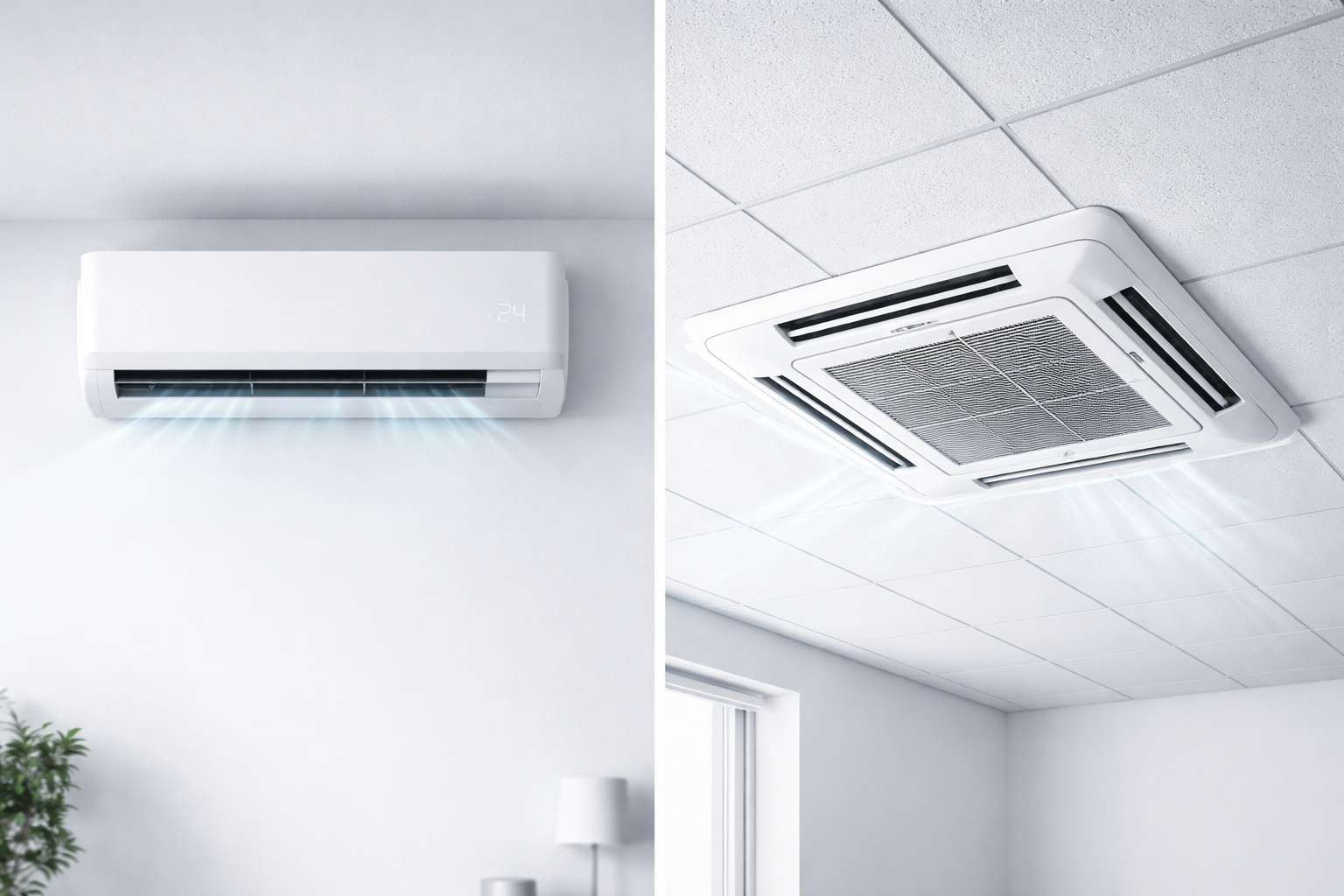
While both residential and commercial HVAC systems provide heating and cooling, their installation processes are worlds apart. Residential installations typically involve single, self-contained units designed for smaller spaces, making the process relatively straightforward. The focus is on a single-zone or a simple multi-zone setup for a family home.
Commercial HVAC installations, on the other hand, are significantly more complex and customized. They are designed for larger, more demanding environments like factories, hospitals, and office buildings. These systems are often modular, allowing for zoned temperature control across vast areas with different needs. The equipment is larger, more powerful, and requires specialized engineering for placement, drainage, and ventilation.
Key differences that impact HVAC costs and complexity include:
- System Size & Type: Commercial systems are much larger and can include complex equipment like chillers and large-scale VRF systems, unlike the typical central air units in homes.
- Infrastructure: Commercial buildings require extensive and complex ductwork, industrial-grade ventilation, and robust electrical support.
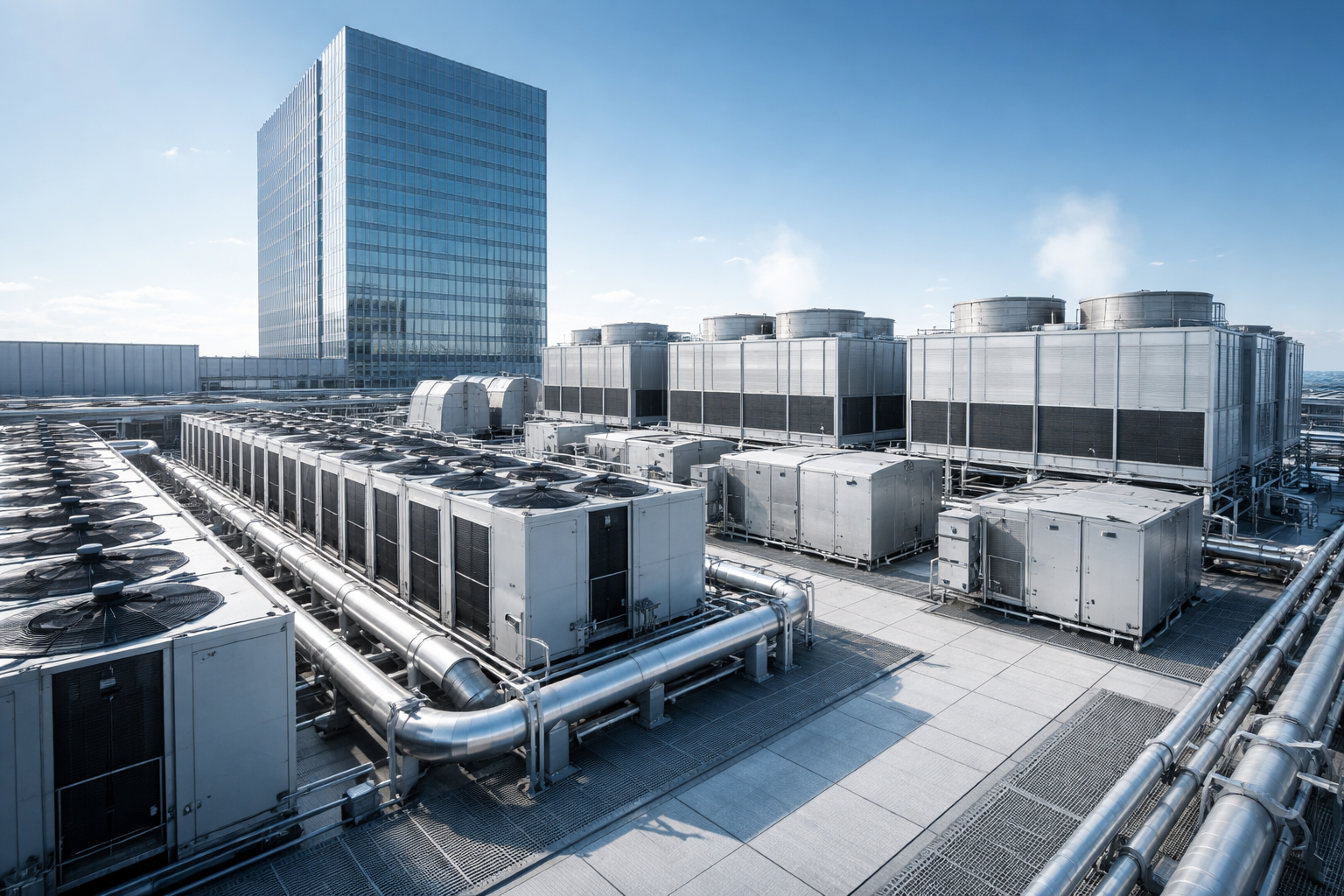
- Location: Commercial units are often installed on rooftops, requiring cranes and structural assessments, whereas residential units are placed on the ground.
Key Phases in a Professional HVAC Installation Project
A successful commercial HVAC project is built on careful planning and a structured, phased approach. The process begins long before any equipment arrives on-site. A professional installation is a multi-stage journey that ensures your new system is perfectly matched to your facility’s unique demands, from the size of the area to its specific operational needs.
Each phase, from initial assessment to final handover, is critical for achieving optimal performance, efficiency, and longevity. This systematic process prevents costly errors, ensures compliance, and guarantees that your investment delivers the expected return. Let’s examine the crucial steps involved in a professional installation project.
Site Assessment, Heat Load Calculations, and System Sizing
The foundation of any effective HVAC installation is a thorough site assessment. Our engineers visit your facility to understand its unique characteristics, including layout, insulation, window placement, and existing infrastructure. This hands-on evaluation helps identify potential challenges and opportunities for optimizing the new system’s design. We look at every factor that could impact indoor climate and air quality.
Following the assessment, we perform detailed heat load calculations. This critical engineering step determines the precise amount of heating and cooling your facility requires. We analyze the square footage (sq ft), ceiling heights, occupancy levels, lighting, and heat-generating equipment to calculate the total thermal load. This scientific approach ensures your system is not oversized or undersized.
Proper system sizing is a direct result of accurate heat load calculations. An undersized system will fail to keep your space comfortable, while an oversized one will cycle on and off too frequently, wasting energy and causing unnecessary wear and tear. Correct sizing is the key to achieving both comfort and efficiency.
Design, Equipment Selection, and Engineering Approvals
Once the system size is determined, the next phase is detailed design and engineering. Our team creates a comprehensive plan that maps out ductwork layouts, pipe routing, ventilation paths, and control system integration. The design prioritizes energy efficiency and maintainability, ensuring the system is both effective and easy to service in the future. We consider every aspect, from airflow dynamics to acoustic performance.
Equipment selection is a crucial part of this stage. We help you choose the right chillers, air handling units (AHUs), VRF/VRV systems, and controls based on your budget, performance goals, and long-term operational costs. We consider factors like SEER ratings and advanced features to recommend equipment that offers the best value and lowest energy consumption.
Finally, all designs and plans are submitted for engineering approvals. This ensures the proposed installation complies with all relevant building codes, safety standards, and industry regulations. Securing these approvals before work begins prevents delays and legal issues, guaranteeing a smooth and compliant project from start to finish.
Cost Structure of HVAC Installation for Facilities
Understanding the cost structure of a commercial HVAC installation is essential for effective budgeting. The total cost is more than just the price of the equipment; it includes labor, materials, design, and potential modifications to your facility. Whether you are planning a new build or an HVAC replacement, the final HVAC installation cost can vary significantly based on the project’s complexity.
It’s important to look beyond the initial price and consider the total cost of ownership. A cheaper upfront option might lead to higher energy bills and frequent repairs, increasing the HVAC replacement cost sooner than expected. A professional quote will break down these expenses, giving you a clear picture of your investment.
Factors That Drive Variation in Installation Costs
The total cost of an HVAC installation is not a one-size-fits-all figure. Several key variables can cause the price to fluctuate significantly from one project to another. The type of system you choose is a primary driver; a complex water-cooled chiller system will have a different cost profile than a VRF system or a series of packaged rooftop units.
The size of the area and the complexity of the building also play a major role. Larger facilities naturally require more powerful and, therefore, more expensive systems. Furthermore, a building with multiple floors, specialized zones, or hard-to-access installation points will increase the labor costs associated with the project. Local labor rates in your specific region will also impact the final bill.
Other factors that influence installation costs include:
- Existing Infrastructure: If your current ductwork or electrical systems need significant upgrades to support the new HVAC unit, this will add to the total cost.
- Efficiency Ratings: Equipment with higher SEER ratings and advanced energy-saving features typically has a higher upfront cost but delivers long-term savings.
- Permit Fees: The cost of permits and inspections required by local authorities can vary.
HVAC Installation Cost per Square Foot in India
Estimating the HVAC installation cost per square foot provides a useful benchmark for budgeting, but it’s important to remember that this figure can vary widely in India. Factors such as the city, equipment brand, system complexity, and contractor expertise all influence the total price. A basic system for a warehouse will cost less per square foot than a sophisticated cleanroom HVAC system for a pharmaceutical plant.
Generally, the price range can be broad. For commercial spaces, the cost incorporates not just the equipment but also extensive ducting, electrical work, plumbing for chilled water lines, and sophisticated control systems. The goal is to balance the initial installation cost with long-term operating expenses to achieve the lowest total cost of ownership.
To give you a general idea, here is a text table outlining potential cost ranges based on system complexity. Please note these are estimates and a detailed quote is necessary for an accurate price.
| System Complexity | Estimated Cost per Square Foot (INR) |
| Basic Comfort Cooling (e.g., Offices) | ₹350 – ₹600 |
| Advanced VRF/VRV Systems | ₹600 – ₹950 |
| Centralized Chiller Plants | ₹800 – ₹1,500+ |
What’s Included in Full-Service HVAC Installation by Envigaurd
When you partner with Envigaurd for your HVAC installation, you receive a comprehensive, end-to-end solution, not just a piece of equipment. Our scope of work covers every technical and logistical aspect of the project. We manage the entire process to ensure your new air conditioning system is designed, installed, and commissioned to the highest engineering standards, regardless of the system type.
Our full-service approach is designed to provide you with a single point of accountability and complete peace of mind. From initial consultation to post-installation support, we handle all the complexities so you can focus on your core business. Here’s a closer look at what our detailed scope of work includes.
Scope of Work: Chillers, VRF/VRV, AHUs, Ducting, and Controls
Our technical expertise covers the full spectrum of commercial and industrial HVAC equipment. We don’t just supply boxes; we engineer and install a complete HVAC system tailored to your facility’s unique needs. Whether your project requires high-capacity chillers for process cooling or flexible VRF/VRV systems for zoned office comfort, our team has the hands-on experience to execute it flawlessly.
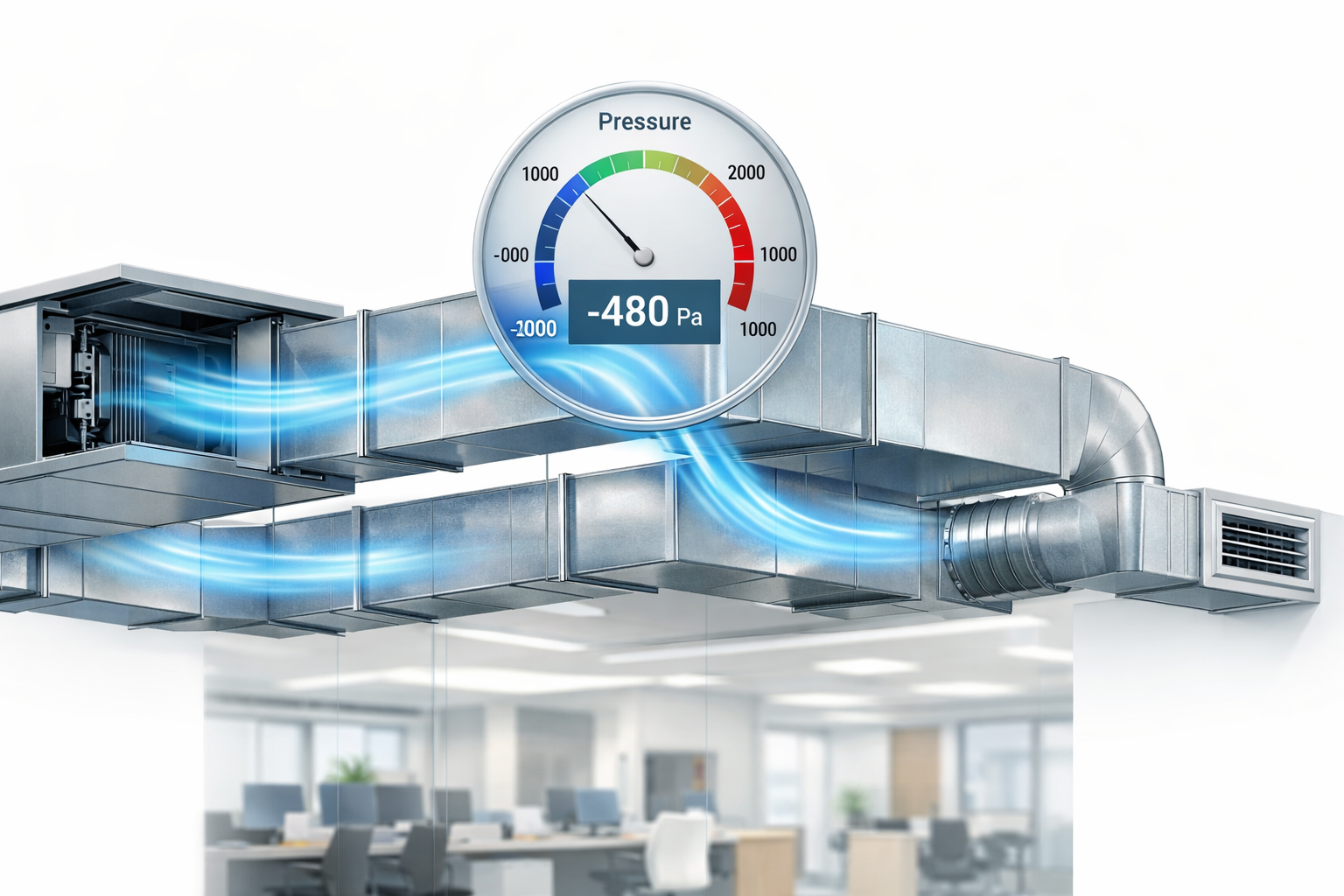
The installation scope extends to all supporting components. This includes the design and installation of custom ducting to ensure efficient airflow, the integration of Air Handling Units (AHUs) for superior air quality, and the setup of sophisticated building management system (BMS) controls. We ensure all parts of the system work together seamlessly for optimal performance.
Our comprehensive scope of work includes:
- Major Equipment: Installation of air-cooled and water-cooled chillers, VRF/VRV outdoor and indoor units, and rooftop package units.
- Air Distribution: Fabrication and installation of GI and pre-insulated ducting, diffusers, grilles, and dampers.
- Ancillary Systems: Piping for chilled water, condenser water, and drainage, along with all necessary electrical and control wiring.
- System Controls: Programming and commissioning of controllers, sensors, and thermostats for automated and efficient operation.
Compliance, Safety, and Post-Installation Support
A successful HVAC installation goes beyond technical execution; it must adhere to strict compliance and safety standards. At Envigaurd, we make this a top priority. Our projects are managed to meet all local building codes, environmental regulations, and industry-specific safety protocols. This commitment to compliance protects your investment and ensures a safe working environment for everyone in your facility.
Safety is embedded in every step of our process. Our technicians are trained in best practices for handling heavy equipment, working at heights, and managing electrical systems. We conduct risk assessments and implement rigorous safety measures on-site to prevent accidents and ensure a smooth, incident-free installation.
Our partnership doesn’t end when the system is turned on. We provide comprehensive post-installation support, including system testing, balancing, and commissioning to verify performance. We also offer customized annual maintenance contracts (AMCs) and operator training to help you maximize energy savings, maintain excellent indoor air quality, and extend the life of your new HVAC system.
Conclusion
In conclusion, choosing the right HVAC installation service is crucial for ensuring optimal performance and efficiency for your facility. By understanding the complexities of commercial and industrial systems, addressing common challenges, and keeping cost structures transparent, Envigaurd stands out as a leading provider in the HVAC landscape. Our comprehensive approach includes everything from site assessments to post-installation support, ensuring that your system meets safety and compliance standards while remaining cost-effective. If you’re ready to elevate your HVAC experience and tackle your facility’s specific needs, reach out to us for a consultation. Let Envigaurd be your trusted partner in achieving a comfortable and efficient environment for your operations.
Frequently Asked Questions
What are typical additional charges during HVAC installation?
Additional charges can arise from unforeseen needs discovered during the project. Common extras include permit fees required by local authorities, necessary electrical upgrades to support the new system’s power demands, and ductwork modifications. These items can affect the total price, so it’s best to discuss potential additional labor costs with your contractor beforehand to avoid surprises in your final installation cost.
Are financing options available for commercial HVAC installations in India?
Yes, many specialized HVAC companies and financial institutions in India offer financing options for commercial projects. These plans help businesses manage the significant upfront cost of a new system. By spreading the total cost over time, you can proceed with a necessary installation or upgrade without disrupting your cash flow. Discuss available options with your installation partner.
How is system replacement cost different from a new HVAC installation?
An HVAC replacement cost can sometimes be higher than a new installation cost in a new building. A replacement may involve extra labor for decommissioning and removing the old system, as well as modifying existing ductwork or electrical infrastructure to fit the new HVAC system. The replacement cost depends heavily on the complexity of this retrofitting work.
What are the key factors to consider when choosing an HVAC installation service for my facility?
When selecting among HVAC companies, prioritize experience and technical expertise. Look for HVAC contractors who understand your facility’s specific needs and can demonstrate a history of successful commercial projects. Ensure they offer comprehensive services, from design to professional installation, and check references to verify their service quality and reliability.
How can regular maintenance enhance the efficiency of my newly installed HVAC system?
Regular maintenance is crucial for sustaining the performance of your new HVAC system. It ensures optimal energy efficiency by keeping components clean and calibrated, leading to significant energy savings. Proper upkeep also improves indoor air quality, extends the lifespan of your air conditioning equipment, and prevents costly breakdowns.
What should I expect during the HVAC installation process?
The installation process begins with a site assessment and system design. Your contractor will then provide a schedule and a breakdown of the overall cost. The professional installation phase involves setting up the equipment, connecting ductwork and electricals, and testing the system. The process concludes with commissioning to ensure the system type performs as expected.