



















Hydrogen Sulfide (H₂S) Scrubber System Manufacturer in India
H₂S Scrubbers for Odour Control and Toxic Gas Removal
High Removal Efficiency | Wet & Dry Options | Corrosion-Resistant
Envigaurd manufactures H₂S scrubber systems that remove hydrogen sulfide from biogas, wastewater, chemical and process exhaust streams. We offer wet and dry scrubbing configurations, each sized to your gas flow and H₂S concentration.
✅ Wet (caustic) and dry media H₂S scrubbing systems
✅ For STPs, ETPs, biogas, chemical and refinery applications
✅ Turnkey support: Design → Manufacturing → Installation → AMC
Our Credentials: Excellence, Experience, and Reliability
of Industry Experience
Projects Completed
Ongoing Projects
Expert Professionals
Supporting Vendors
Satisfied Clients Who Trust Our H₂S Scrubber Systems
We take pride in the trust placed in us by plant operators, utilities and consultants who rely on Envigaurd H₂S scrubbers to control odour and toxic gas emissions.
Every H₂S scrubber is engineered around the gas flow, H₂S load and discharge limits, with the right scrubbing chemistry, packing or media and corrosion-resistant construction.
From design and fabrication to installation, commissioning and after-sales support, each project reflects our commitment to safety, compliance and long-term performance.
About Hydrogen Sulfide (H₂S) Scrubber Systems
Hydrogen sulfide (H₂S) is a colorless, flammable, and highly toxic gas often generated in industries such as oil and gas, wastewater treatment, biogas, chemical manufacturing, and pulp and paper. Known for its rotten egg smell, H₂S is corrosive to equipment, hazardous to human health, and subject to strict environmental regulation. We provide custom-engineered Hydrogen Sulfide Scrubber Systems designed to safely and efficiently remove H₂S from exhaust and process gas streams. Our systems ensure environmental compliance, workplace safety, and long-term operational efficiency.
Key Features of Our H₂S Scrubber Systems
Our Hydrogen Sulfide (H₂S) scrubber systems are designed with decades of hands-on engineering expertise, industrial process understanding, and air quality compliance knowledge. Built on real-world application data and in-house R&D, each system is customized to meet your facility’s gas load, flow rate, safety protocols, and space constraints.
High Removal Efficiency
Achieves up to 99.9% H₂S removal, ensuring safe, odor-free air discharge and protection for workers and equipment.

Tailor-Made for Your Operations
Each system is custom-engineered to fit your exact process conditions—gas concentration, flow volume, temperature, and layout.
Wet and Dry Scrubbing Technologies
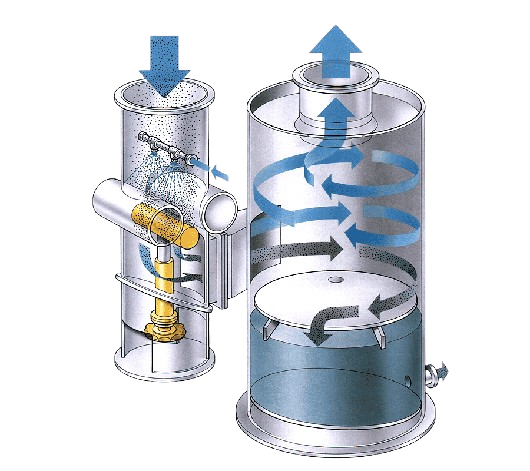
Available in wet scrubber (chemical absorption) or dry scrubber (adsorption media) configurations to match your process and maintenance preferences.

Corrosion-Resistant Materials
Constructed using FRP, PP-FRP, SS316, or PVDF, providing long-term resistance in aggressive chemical environments.

Compact and Modular Design
Space-saving systems suitable for rooftop, vertical, or ground-level installation; easy to expand or relocate.

Fully Compliant with Emission Norms
Built to meet or exceed CPCB, OSHA, and EPA standards for H₂S emissions and worker exposure limits.

Energy-Efficient Operation
Equipped with VFD-controlled blowers, optimized internals, and low-resistance packing media to minimize energy consumption.

Automation and Remote Monitoring
Optional PLC/SCADA integration, IoT dashboards, and pH/ORP sensors for real-time monitoring, control, and predictive maintenance.
How the H₂S Scrubber System Works
The removal of hydrogen sulfide can be achieved using two core scrubbing technologies: wet scrubbing and dry scrubbing. We offer both solutions based on client needs, operating environment, and discharge limits.
Wet Scrubber
In a wet scrubber, the contaminated air stream passes through a packed bed reactor where it comes into contact with an alkaline scrubbing solution, typically sodium hydroxide (NaOH). The H₂S reacts chemically with the alkaline liquid to form non-toxic sulfates or thiosulfates. The treated air is then passed through a demister before being released into the atmosphere.
Components:
- FRP scrubber tower with structured packing
- Recirculation tank and pump
- Chemical dosing system with pH control
- Blower with VFD (Variable Frequency Drive)
- Demister section
Dry Scrubber
A dry H₂S scrubber uses media beds packed with activated carbon or impregnated mineral media that physically adsorb and chemically neutralize H₂S molecules as air passes through. This system is preferred in low humidity or intermittent flow applications where water-based systems are not viable.
Components:
- Carbon steel or stainless steel housing
- Media cartridges or packed media beds
- Inlet and outlet ducting
- Optional pre-filters and post-filters
- Pressure differential monitoring system
Industrial Applications
Our H₂S scrubbers are used across various industries:

Wastewater Treatment Plants
H₂S is commonly released during anaerobic digestion, sludge handling, and lift station operations. Our scrubbers control odor and meet safety norms for enclosed plants and open-air treatment zones.
Oil and Gas Refineries
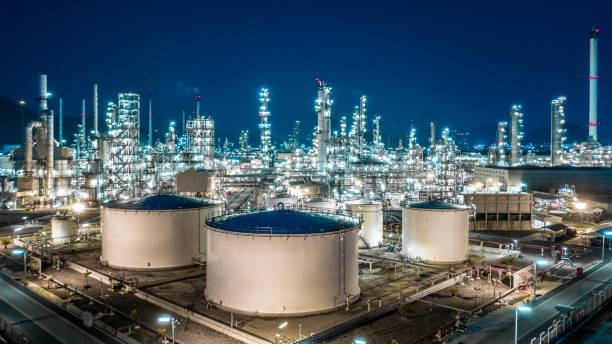
H₂S is a byproduct of crude oil and natural gas processing. Our systems help maintain emission levels within environmental guidelines while protecting downstream equipment from corrosion.

Biogas and Landfill Gas Treatment
H₂S in biogas can damage engines and reduce methane yield. Scrubbers installed before biogas upgrading systems protect membranes and improve gas quality.
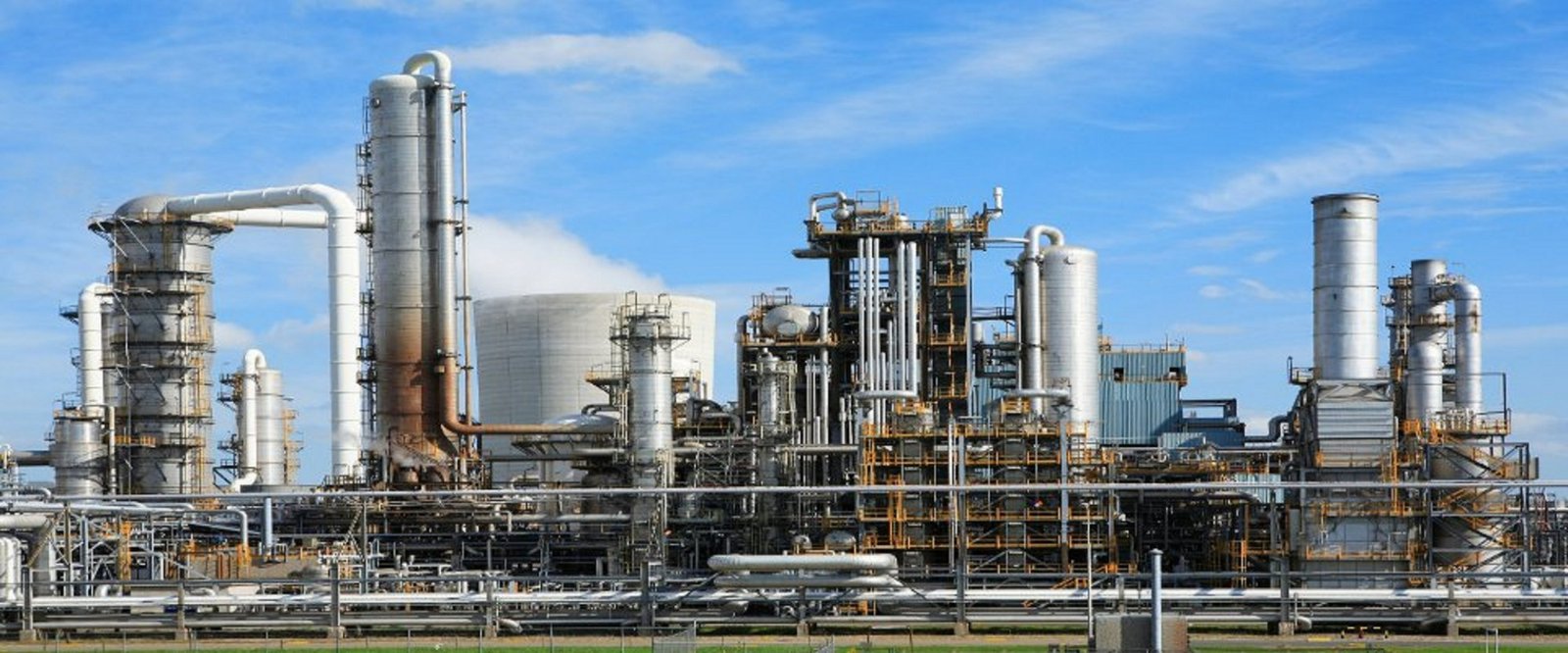
Chemical and Fertilizer Plants
Our H₂S scrubbers help treat exhaust gases from sulphur recovery units, reactors, or venting systems to protect workers and prevent chemical contamination.
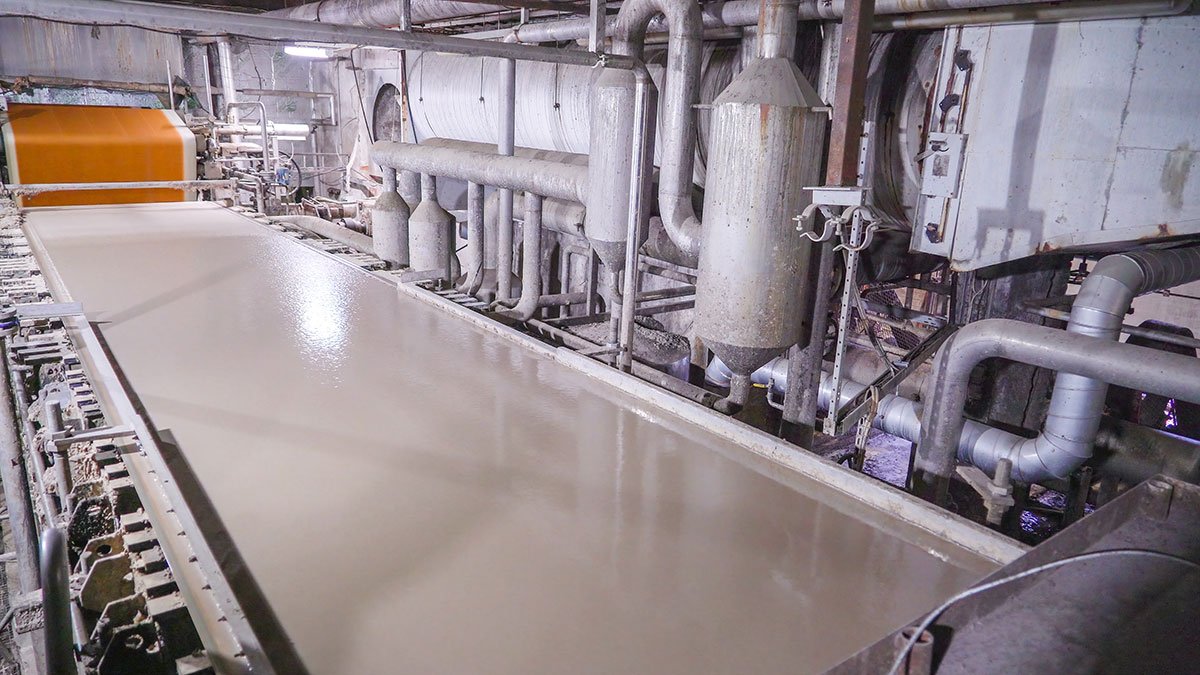
Pulp and Paper Mills
In kraft pulping processes, H₂S emissions are a challenge. Our scrubbers eliminate H₂S at source before it enters the stack.

Envigaurd Installation Installation and Support
At Envigaurd, we don’t just manufacture chlorine scrubber systems — we ensure they perform flawlessly from day one. Our experienced team delivers end-to-end turnkey installation and lifetime support to help your plant stay safe, compliant, and operational.
Our Installation Services Include:
-
Site Survey and Engineering Assessment
Detailed evaluation of your plant layout, gas load, emission points, and space constraints. -
Civil, Mechanical, and Electrical Installation
Complete integration including foundations, ducting, cabling, pumps, and instrumentation. -
System Commissioning and Performance Testing
On-site trial run, neutralization efficiency testing, and documentation for regulatory audits. -
Operator Training and Handover
Hands-on training for plant personnel on system operation, safety protocols, and emergency response. -
Annual Maintenance Contracts (AMC)
Scheduled inspections, media replacement, and 24/7 emergency support to ensure long-term system reliability.
Return on Investment
Investing in an H₂S scrubber provides a measurable return:
- Reduces fines or penalties for non-compliance
- Prevents unscheduled maintenance due to corrosion
- Extends life of plant equipment
- Improves community relations by eliminating odor complaints
- Enhances corporate environmental responsibility
See the scrubber and exhaust systems we have delivered for pharma, chemical, research and industrial clients.
Frequently Asked Questions About Hydrogen Sulfide Scrubber
Our H₂S scrubbers are engineered to achieve up to 99.9% hydrogen sulphide removal. The efficiency achieved on site depends on:
- Inlet H₂S concentration and how much it fluctuates.
- Gas flow rate and contact (residence) time.
- Scrubbing chemistry: caustic, caustic with oxidiser (e.g. sodium hypochlorite), or impregnated adsorbent media.
- Gas humidity and temperature.
Performance is validated by gas analysis during commissioning against the outlet value agreed in the design.
Yes. H₂S sources such as STP inlet works, sludge handling and biogas lines rarely run at a constant flow. Our systems handle this with:
- VFD-controlled blowers that adjust airflow to demand.
- Pressure sensors and flow meters for real-time feedback.
- Automatic pH/ORP-based dosing in wet systems, so chemical feed follows the H₂S load.
- Design margins sized for peak rather than average conditions.
This keeps removal efficiency stable without wasting energy or chemicals at low loads.
It depends on the type of scrubber:
- Wet scrubbers: the scrubbing solution is continuously recirculated and topped up by automatic dosing. A bleed stream removes spent solution, so there is no fixed “media life”, but pH/ORP must be monitored and the solution partly replaced as salts build up. Packing typically lasts several years with periodic cleaning.
- Dry scrubbers: impregnated activated carbon or iron-based media typically lasts 6–12 months, depending on inlet H₂S concentration, flow rate and humidity.
We calculate expected media consumption at the design stage so you can plan replacements and budgets.
Both remove H₂S but work differently:
- Wet scrubbers pass the gas through a packed tower where a caustic solution, often with an oxidiser, absorbs and chemically converts H₂S. They suit higher concentrations and larger flows and run continuously with chemical dosing.
- Dry scrubbers pass the gas through a bed of impregnated activated carbon or iron-based media that adsorbs or reacts with H₂S. They are simple, have no liquid effluent and suit lower concentrations and odour control, but media must be replaced periodically.
For high or variable loads, a wet stage followed by a dry polishing stage is often used.
H₂S scrubbers are used wherever sulphide gases are generated, including:
- Sewage and effluent treatment plants: inlet chambers, sludge handling and digesters.
- Biogas plants: cleaning biogas before engines, boilers or upgrading.
- Oil and gas facilities: sour gas and tank vents.
- Chemical and fertiliser industries.
- Pulp and paper mills: kraft process odours.
- Food processing and rendering plants: odour control.
- Tanneries and distilleries.
Power consumption depends on system size and configuration. The main energy users are:
- The exhaust blower, which is the largest load and depends on airflow and pressure drop.
- Recirculation pumps on wet systems.
- Chemical dosing pumps, instrumentation and the control panel, which have small loads.
We optimise energy use through low-pressure-drop packing or media beds, correctly sized blowers, VFD drives and demand-based control logic. We share estimated connected load and running power in our offer, based on your design flow.
Our H₂S scrubbers are designed to meet the emission limits in your Consent to Operate from the State Pollution Control Board, in line with CPCB norms. For worker safety, designs follow good engineering practice for handling toxic gases and corrosive chemicals, including gas-tight construction, interlocks and alarms. These support your obligations under the Factories Act and state factory rules.
Where projects need to follow international standards, such as US OSHA exposure limits for multinational clients, we can design to those requirements as specified.
Yes. We provide PLC-based automation that can be integrated with your existing DCS or SCADA system through Modbus, Ethernet/IP or hard-wired analog and digital I/Os. Typical signals shared include:
- Blower and pump run/trip status.
- pH, ORP, level and differential pressure readings.
- Inlet and outlet H₂S values where gas analysers are fitted.
- Alarms and interlock status.
This lets your control room monitor the scrubber alongside the rest of the plant.
Yes. Our systems can be supplied with IoT-enabled remote monitoring, including:
- Data logging of key parameters such as pH, flow, pressure and media life.
- Real-time alerts by SMS, email or a cloud dashboard when values go out of range.
- Trend reports that help plan maintenance and demonstrate compliance during audits.
Remote monitoring is especially useful for unmanned sites such as pumping stations and remote STPs.
Routine maintenance keeps H₂S removal reliable:
- Wet systems: check pH/ORP readings, chemical stock and dosing pumps; monitor liquid level and recirculation pump; clean nozzles and strainers; inspect packing for scaling or sulphur deposits.
- Dry systems: monitor pressure drop and outlet H₂S to judge media exhaustion; replace media on schedule.
- Both: lubricate blower bearings, inspect gaskets and ducting for leaks, and flush the system as needed.
A comprehensive service every 6–12 months, or under an AMC, is recommended.
To size an H₂S scrubber correctly we need:
- Gas flow rate in CFM or m³/hr, including peaks.
- H₂S concentration in ppm or mg/m³, ideally from measurements, plus any other gases present such as ammonia, mercaptans or VOCs.
- Gas temperature and humidity.
- Required outlet concentration or odour target.
- Available installation footprint and utilities.
Based on this, we perform design calculations and recommend the scrubber type, size and configuration.
Typical installation and commissioning take 2–4 weeks after site readiness. The timeline depends on:
- System size and complexity, including single or multi-stage and wet or dry.
- Status of civil foundations and structural supports.
- Availability of power, water and drainage connections.
- Length and routing of ducting from H₂S sources.
Fabrication time is additional and is confirmed in our project schedule.
Yes. We provide hands-on training after commissioning so your team can operate the system confidently. Training covers:
- System start-up and shutdown procedures.
- Routine checks, chemical handling and maintenance.
- Emergency handling, including H₂S safety awareness.
- Troubleshooting and alarm management.
Training can be delivered on site or remotely, and we hand over O&M manuals for reference.
The cost of an H₂S scrubber varies widely with the application. Key cost drivers are:
- Airflow rate and H₂S concentration.
- Choice of wet, dry or combined system.
- Material of construction (PP, FRP, PPFRP, SS).
- Level of automation, analysers and remote monitoring.
- Ducting, civil work and installation scope.
Running costs include power, chemicals or replacement media, and maintenance. After reviewing your data, we provide a detailed techno-commercial offer.
Yes. Our scrubbers can be designed with future changes in mind:
- Skid-mounted or modular designs can be relocated with limited site work.
- Spare capacity can be built in at the design stage for expected growth.
- Additional stages or parallel units can be added later to increase capacity or efficiency.
- Blower and pump upgrades can handle higher flows.
Let us know about expansion plans early so the initial layout and ducting can accommodate them.
